Entry · Ref KS_BYZI1
Why Pet Urine Removal on Tile Requires More Than Just a Mop
- Posted
- 2026-11-03
- Last amended
- 2026-11-03
- Account
- @getpeturineremovaltiledesk
The Real Problem With Pet Urine on Tile
If you own a dog or cat, you have probably dealt with an accident on a tile floor at some point. The first instinct is to grab a mop and some household cleaner, scrub the spot, and hope the smell goes away. But pet urine on tile is not like a spilled drink. It does not just sit on the surface. The liquid seeps into the grout lines, which are porous, and if the tile itself is unglazed or natural stone, it can soak into the tile too. The ammonia and bacteria in the urine create a stubborn odor that returns days or weeks later, especially in warm weather. That is where proper pet urine removal on tile becomes a different kind of job.
Many homeowners in the Phoenix Valley find this out the hard way. Our dry climate means the urine dries quickly, but the salts and uric acid crystals remain embedded in the grout. A simple wipe only removes the surface moisture. The crystals stay behind, and when humidity rises or the floor gets wet again, they reactivate and release that familiar smell. That is why a deeper process is needed. People search for "pet urine removal tile" solutions because they have tried everything else and nothing works long-term.
Why Grout Holds Onto Odors
Grout is essentially a mix of cement, sand, and water. It is naturally porous and acts like a sponge. When pet urine soaks into grout, the liquid carries bacteria and waste compounds deep into the tiny channels. Once there, standard cleaning products cannot reach them. Even steam cleaning sometimes pushes the urine deeper into the grout rather than pulling it out. The only reliable approach involves breaking down the uric acid crystals at a chemical level, then physically flushing them out of the pores.
I have seen cases where people scrubbed the same spot for weeks with bleach-based cleaners and enzyme sprays, only to have the smell return every time the floor got mopped. That happens because bleach can kill bacteria on the surface but does not remove the solid crystal deposits. Enzyme cleaners help break down some of the organic material, but they need time and often multiple applications. And if the grout is not sealed, the urine just keeps penetrating deeper with each attempt.
Assessing the Damage First
Before choosing a method, it helps to figure out how far the urine has gone. A black light can reveal old spots that are invisible during the day. Many stains glow yellow or green under UV light. That tells you where to focus. But the real test is the smell. If the odor is strong even after cleaning, the urine has likely soaked through the grout and possibly into the subfloor underneath the tile. In that case, surface cleaning alone will not solve it.
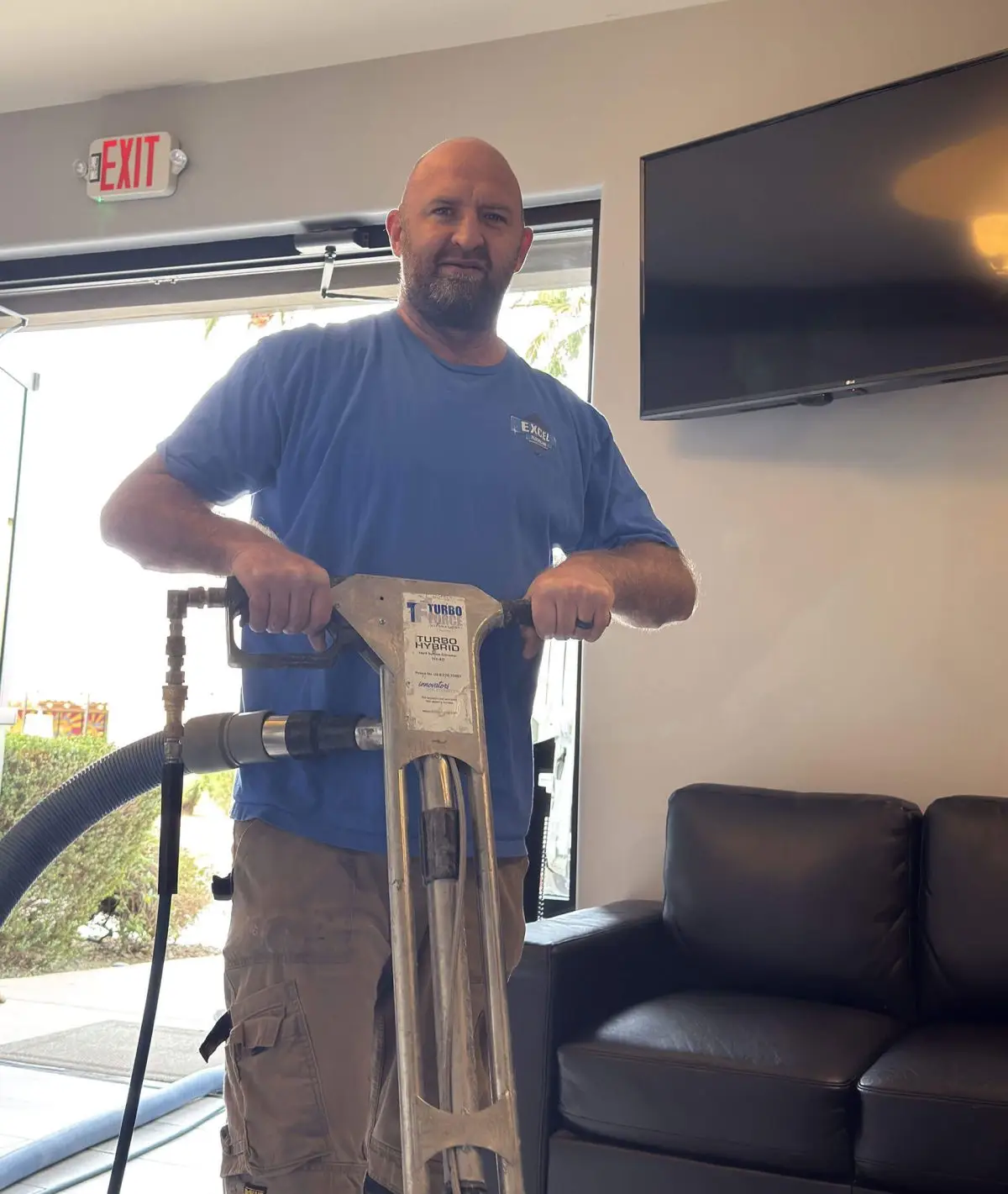
For tile floors with cement-based grout, the most effective approach I have seen involves a two-step process: an alkaline cleaner to break down the uric acid, followed by a rinse that uses a wet vacuum to extract the waste. This is similar to how carpet cleaners work, but with tile you have to be careful not to damage the grout with excessive moisture or harsh chemicals. Some professionals use an orbital floor machine with a brush pad to agitate the cleaner into the grout lines before extraction. That mechanical action makes a big difference.
Sealing the Grout After Cleaning
Once the urine is removed, the next question is whether to seal the grout. A good quality grout sealer creates a barrier that prevents liquids from soaking in. This does not make the floor waterproof, but it buys you time to clean up spills before they become permanent problems. For pet owners, sealing the grout after a deep clean is one of the best investments you can make. It also makes future cleaning easier because the urine stays on the surface where a mop can pick it up.
There are two main types of grout sealer: penetrating sealers that soak into the grout and form a barrier below the surface, and topical sealers that sit on top. Penetrating sealers are usually better for tile floors because they do not change the look or feel of the grout, and they last longer. Topical sealers can wear off unevenly and sometimes peel or yellow over time. I recommend a penetrating sealer for most residential tile floors, especially in kitchens and entryways where pets walk through.
Common Mistakes People Make
One mistake is using vinegar or lemon juice as a cleaner. Acidic solutions can etch the surface of natural stone tile and damage cement grout. Another is using too much water, which forces the urine deeper into the subfloor. And some people try to mask the smell with scented cleaners or air fresheners, which only covers the odor temporarily. The bacteria in urine can still trigger allergies and attract insects, so masking is not a real solution.
A better approach is to act fast when an accident happens. Blot up as much liquid as possible with a clean cloth. Then apply an enzyme cleaner specifically made for pet urine, following the directions exactly. Let it sit for the recommended time, usually ten to fifteen minutes. Then blot again. If the accident is on a sealed tile floor, this may be enough. If the floor is unsealed or the grout is old, you may need a deeper clean later.
When to Call a Professional
There are times when DIY methods just will not cut it. If the urine has been sitting for months or years, or if you have multiple pets, the buildup can be too deep for household products. That is when a professional service with industrial-grade equipment and specialized cleaning agents becomes worth the cost. They can test the pH of the grout, apply the right chemicals, and use extraction tools that pull the waste out rather than pushing it around.
Connect with us on Instagram.
Some companies use a process called hot water extraction, where hot water mixed with a cleaning agent is forced into the grout and then vacuumed out. This works well for tile floors because the heat helps dissolve the uric acid crystals. But it has to be done carefully to avoid over-saturating the subfloor. A good technician will know how much moisture the floor can handle and will use fans or dehumidifiers to dry the area quickly afterward.
Preventing Future Odors
After a deep clean and seal, prevention becomes a matter of routine. Wipe up any accidents immediately. Use a pH-neutral cleaner for regular mopping, because harsh chemicals can strip the sealer. And consider placing washable rugs in areas where your pet likes to rest. Rugs trap moisture and can be washed, while tile and grout need more effort to clean. Also, keep your pet's nails trimmed to reduce scratches on the tile surface, which can create new places for urine to collect.
One thing I have learned from working with tile floors is that pet urine removal is not a one-time fix. It is a cycle of cleaning, sealing, and maintenance. But if you do it right the first time, you can break that cycle and enjoy a floor that smells clean and looks good for years.
Excel Floor Care, located at 105 E Baseline Rd, Gilbert, AZ 85233, USA, and reachable at +1 480-729-2731, is a locally owned tile and grout cleaning service in Gilbert, AZ, operated by Matt Jordan since 2011, serving the Phoenix Valley with professional cleaning, sealing, and pet odor treatment.